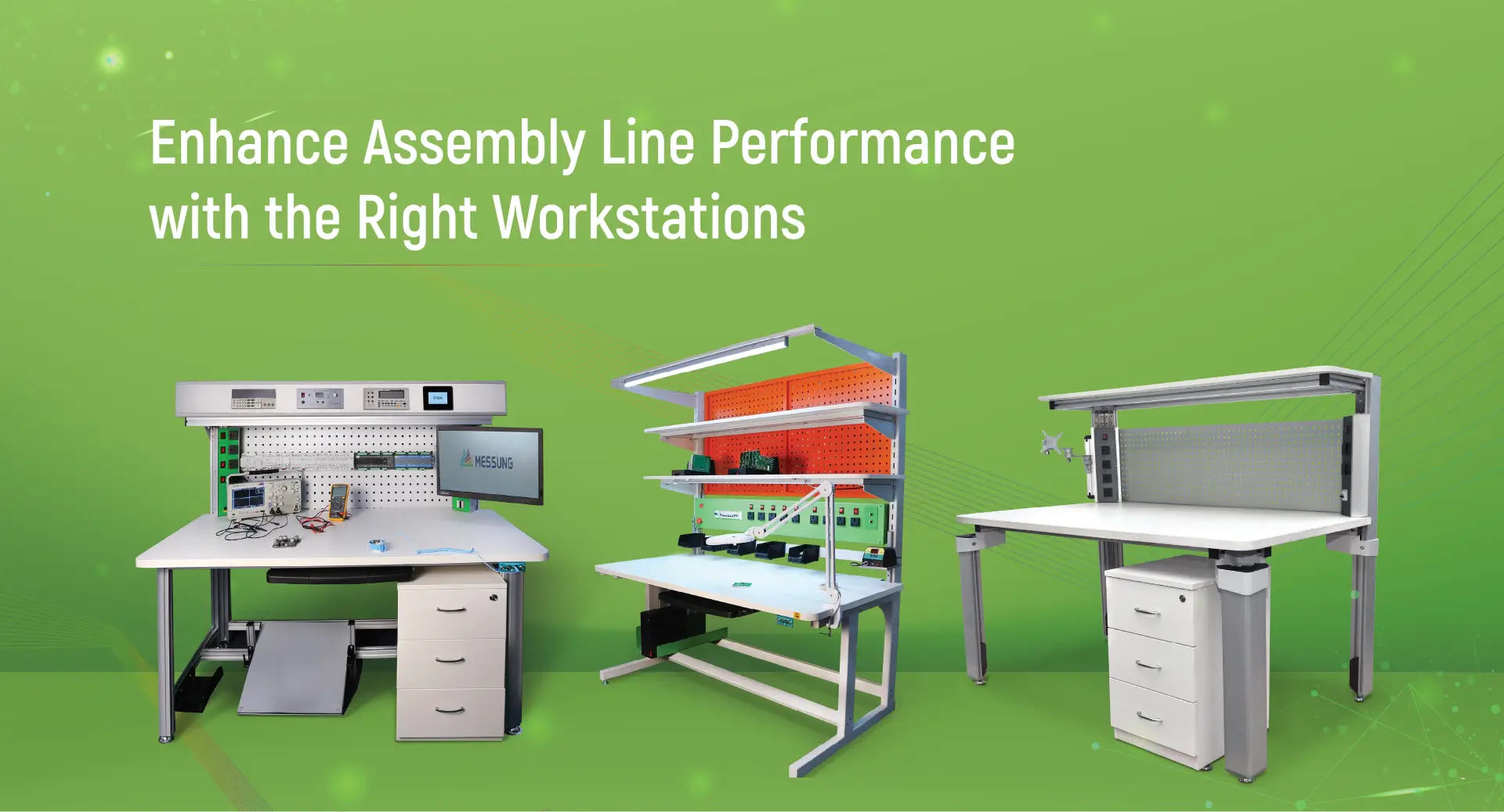
In fast-growing manufacturing environments, productivity losses are often blamed on processes or workforce issues. But poor infrastructure is just as responsible. One of the most underestimated drivers of inefficiency is the use of incorrect assembly line tables.
For any manufacturer aiming for high output and consistent quality, these tables are not just support platforms. They are essential infrastructure.
Assembly line tables influence everything from operator fatigue to product quality. A table that is too high or unstable can slow down the line, reduce accuracy, and increase rejection rates.
Good tables allow for better working posture, repeatable tasks, and smooth handoffs between stages. Poor ones lead to clutter, rework, and low morale.
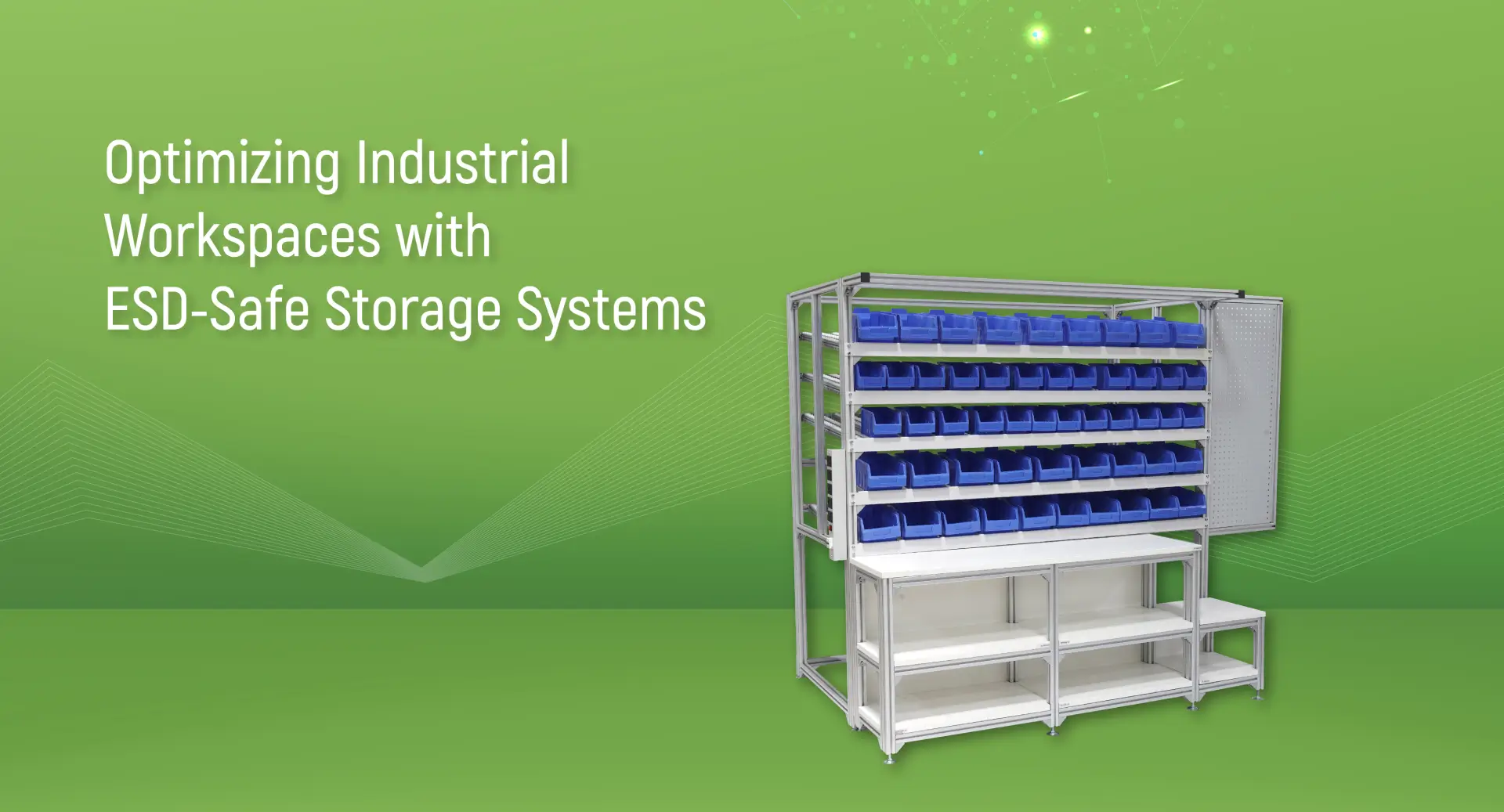
Choosing the right table depends on your product, process, and future goals. Some popular options include:
Your choice affects how easily the line can adapt to new SKUs or layout changes. The right industrial worktables make the entire system more responsive.
Tables should not be chosen based on price alone. Instead, assess:
Each element contributes to how efficient and safe the workstation really is.
Layout and table design play a direct role in:
By aligning table dimensions with the assembly sequence, you reduce motion waste and keep the line balanced. Your industrial assembly line should be planned with table positions as the starting point.
Fixed tables work for simple lines. But when you need scalability or rapid changeovers, modular tables are the better option.
Benefits of modular systems include:
This is where a modular industrial workstation makes its case.
In electronics assembly, tables must allow for more than just placement. Considerations include:
For any electronics manufacturing workstation, these details are essential. Poor planning here often leads to hidden quality issues.
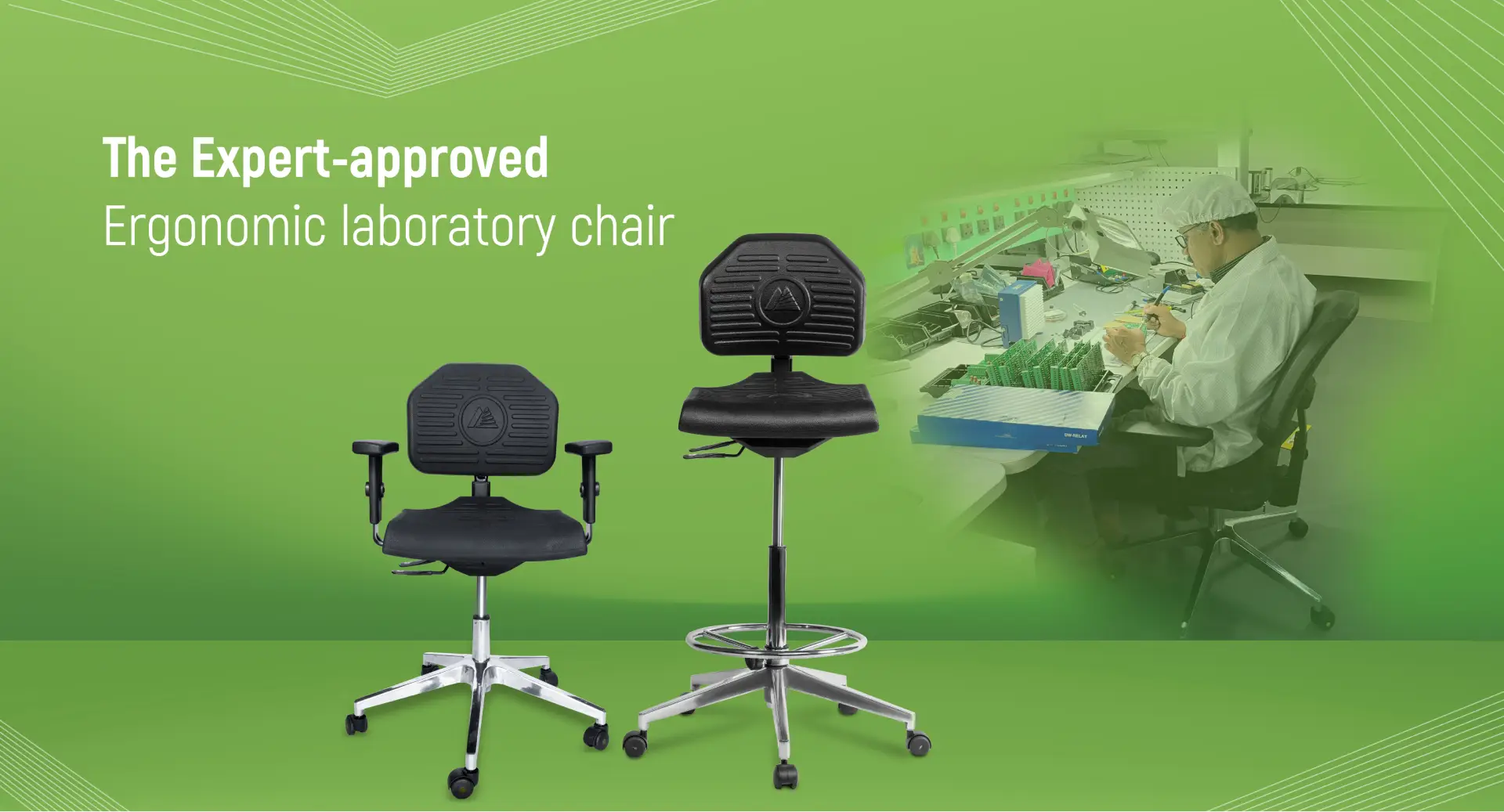
Ignoring ergonomics results in fatigue and injuries. Prioritize:
This contributes to a safer and more productive work culture.
Avoid these errors:
Treating tables like ordinary furniture instead of task enablers is a common mistake.
You may need to upgrade if:
Upgrading does not mean disruption. It means aligning your tools with your output goals.
Assembly line tables are the most misjudged part of factory planning. They shape posture, performance, and pace. When designed and selected correctly, they support long-term efficiency.
If your tables are becoming obstacles rather than enablers, it is time to rethink your layout. Smart manufacturers invest in tables that support their operators, not slow them down.