
A PCB passes assembly, inspection and functional testing. Weeks later, it develops an intermittent fault at the customer site. The failure may look like a component issue, a testing gap or a usage problem.
Electrostatic discharge may have weakened the component earlier. ESD damage does not always destroy a part immediately. Failure may appear after handling, temperature changes, electrical load or operating time.
Explore Messung ESD workplace solutions for electronics manufacturing.
ESD damage occurs when an uncontrolled electrostatic charge passes through or near a sensitive electronic component and affects its internal structure or performance.
Understanding how ESD damage affects electronic components starts with a simple fact. The operator may not feel each discharge, but PCBs, integrated circuits, microprocessors, sensors, controllers, connectors, semiconductor devices and battery management electronics can be sensitive.
Immediate failure appears at once. A component may show no output, incorrect readings or fail during testing.
Latent damage weakens a component without causing immediate failure. The part may pass testing, then later show intermittent operation or early field failure.
Hidden ESD damage in electronics manufacturing is difficult to trace. ESD is not the cause of every delayed failure, but it can be one risk.
ESD damage can remain hidden because a weakened component may still function within acceptable limits during initial testing.
Tests confirm present performance, but may not reveal weakness that appears after handling, temperature changes, electrical load or longer use.
Passing Inspection Does Not Always Confirm Long-Term Reliability:
Passing a current test confirms present function, not reliability throughout expected life.
Intermittent Failures Are Difficult to Trace:
Intermittent faults may disappear during retesting and return after several operations.
ESD risk can enter wherever exposed static-sensitive components are handled, stored, assembled, tested or moved.
ESD damage during PCB assembly can begin at several points, including SMT inspection, manual component insertion, soldering, rework, testing, calibration, repair, storage, movement between workstations and final inspection before enclosure.
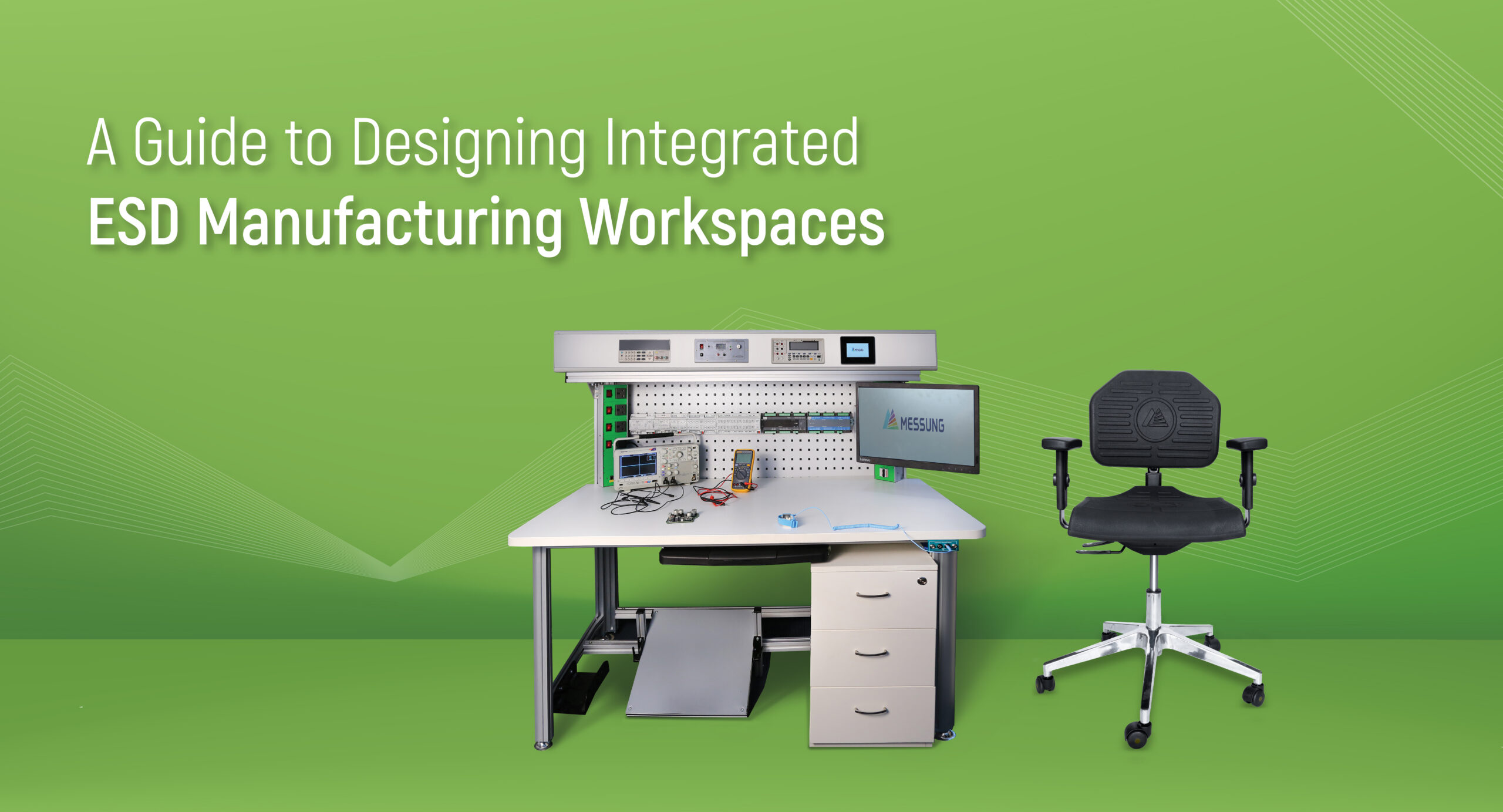
At an electronics manufacturing workstation, the work surface, operator, chair, tools and grounding all affect ESD protection.
An ESD workbench or anti-static workstation should work as one connected system. A suitable tabletop cannot correct poor grounding, unsuitable seating or incorrect handling.
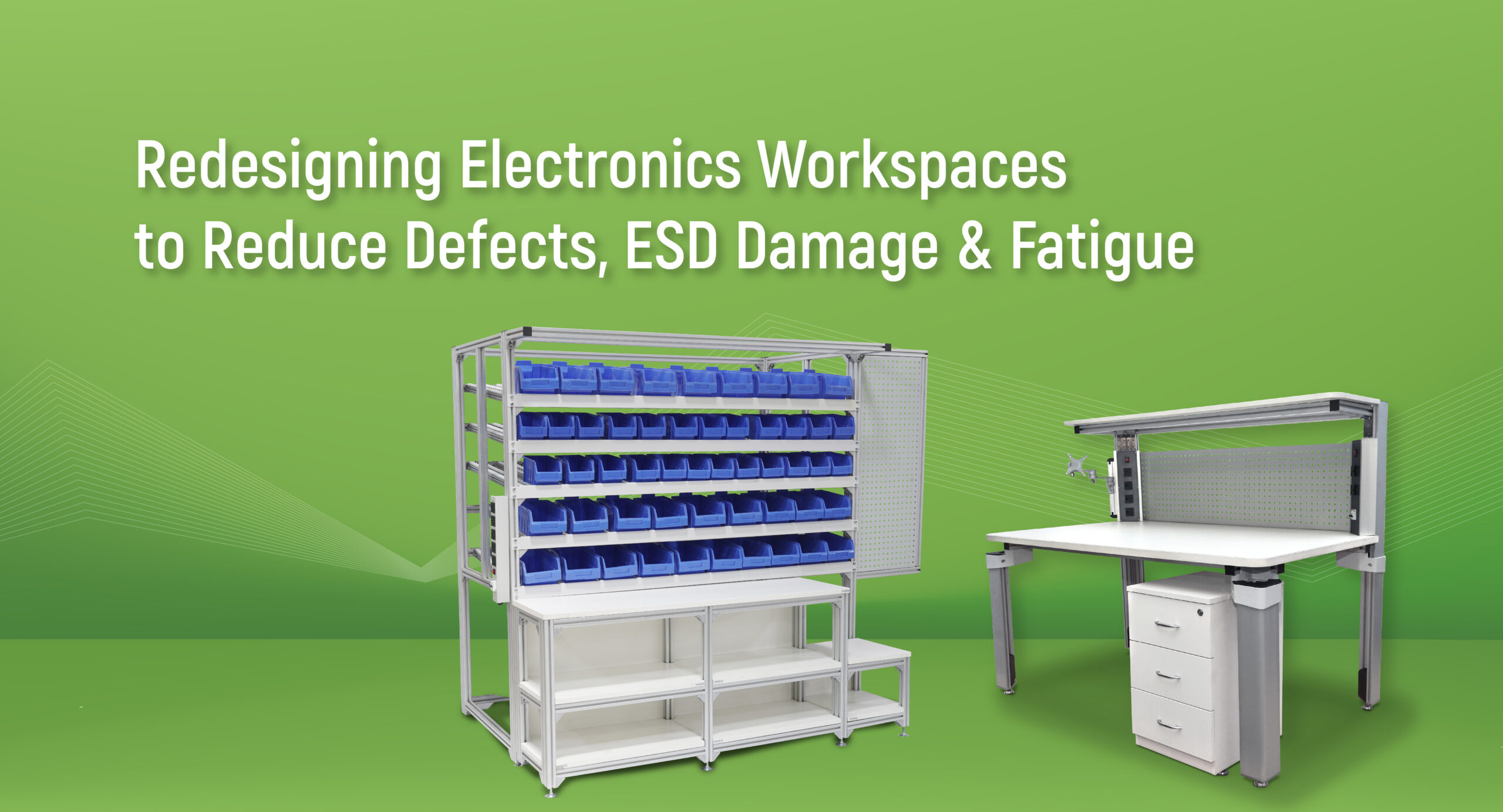
Protection should continue beyond the workbench. ESD drawer cabinets and ESD trolleys can support safer storage and movement.
Standard drawers and trolleys may not support an ESD controlled process.
The cost of ESD damage extends beyond the component to labour, testing, schedules, warranty handling and customer confidence.
A suspected failure may require inspection, replacement, retesting, engineering time and line disruption.
Unexplained failures can slow batch clearance while teams investigate components, equipment and processes.
If failure appears after dispatch, inspection, repair or replacement may follow. Not every warranty claim is caused by ESD.
Repeated field failures can reduce customer confidence in product reliability.
No. An ESD mat is only one part of a complete ESD-controlled workstation.
ESD protection for sensitive electronic components may include an ESD work surface, grounding point, wrist strap, ESD chair, ESD stool, drawer cabinet, trolley, compatible tools, correct practices and checks.
One ESD component cannot compensate for gaps elsewhere in the process.
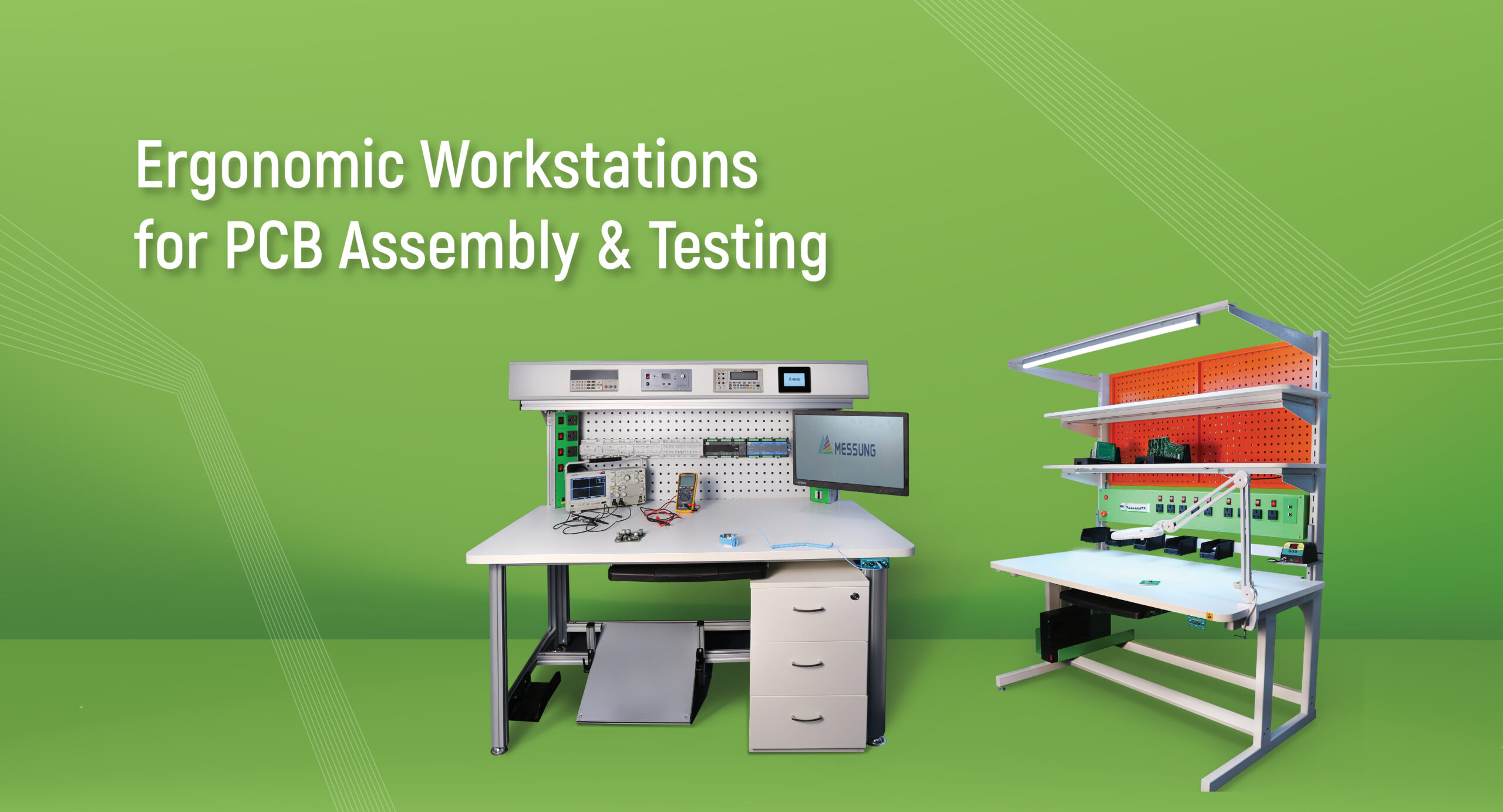
An ESD workstation for electronics manufacturing helps control static charge around the operator, component and work surface during sensitive electronics handling.
Its purpose is controlled dissipation, organised handling and process consistency. Messung product material specifies an ESD range of 10⁶ to 10⁷ ohms and references IEC 61340-5-1.
The ESD worktop supports controlled handling and dissipation when connected and maintained.
Relevant elements should follow the facility ESD control plan.
ESD furniture may include chairs, stools, storage units and trolleys that support the controlled environment.
Planned power, lighting, tools, storage and cable management can reduce handling.
For complete planning, link this section to How to Design an Efficient Electronics Manufacturing Workstation for Maximum Productivity.
Even a properly designed ESD-safe workstation depends on correct practices and maintenance.
Operators should use wrist straps correctly, follow handling procedures, avoid unauthorised materials, protect grounding connections, and participate in checks and training.
Manufacturers can identify ESD gaps by reviewing the component journey from storage to final enclosure.
A practical review should ask:
Review the Process, Not Only the Table:
ESD control should cover storage, movement, tools, seating, surfaces and operator behaviour.
Include Future Expansion:
New products, tools and processes may create new ESD critical points. Modular ESD workstations can make future changes easier.
Messung Workplace Technology supports electronics manufacturing environments with integrated ESD workstation, seating, storage and mobility solutions.
The range includes workstations, workbenches, chairs, stools, drawer cabinets, mobile test benches and movement solutions.
Each setup should reflect the process, component sensitivity, operator movement, storage, testing, available space and future expansion.
Manufacturers can explore Messung ESD workstations and workplace products.
Yes. A component may work during initial testing and fail later. Delayed failure can have several causes, so investigation is necessary.
It is internal weakening that does not cause immediate failure and may appear later as intermittent operation or early field failure.
No. It is required where exposed static sensitive components are handled. Enclosed product handling may use non-ESD workstations.
No. A complete setup may also require grounding, suitable seating, protected storage, ESD trolleys, compatible tools and correct practices.
Use process assessment, controlled workstations, suitable ESD furniture, proper grounding, protected storage, safe movement, training and periodic checks
Review work surfaces, grounding, seating, tools, storage, movement, operator practices and every point where components are exposed.