Setting up an effective ESD workstation for electronics manufacturing isn’t just about placing a table and calling it a day. It’s about creating a controlled environment that protects sensitive electronic components from invisible, damaging static electricity. From tiny capacitors to microcontrollers, static can quietly wreak havoc, leading to device failure, rework, or even field defects that cost a business both money and reputation.
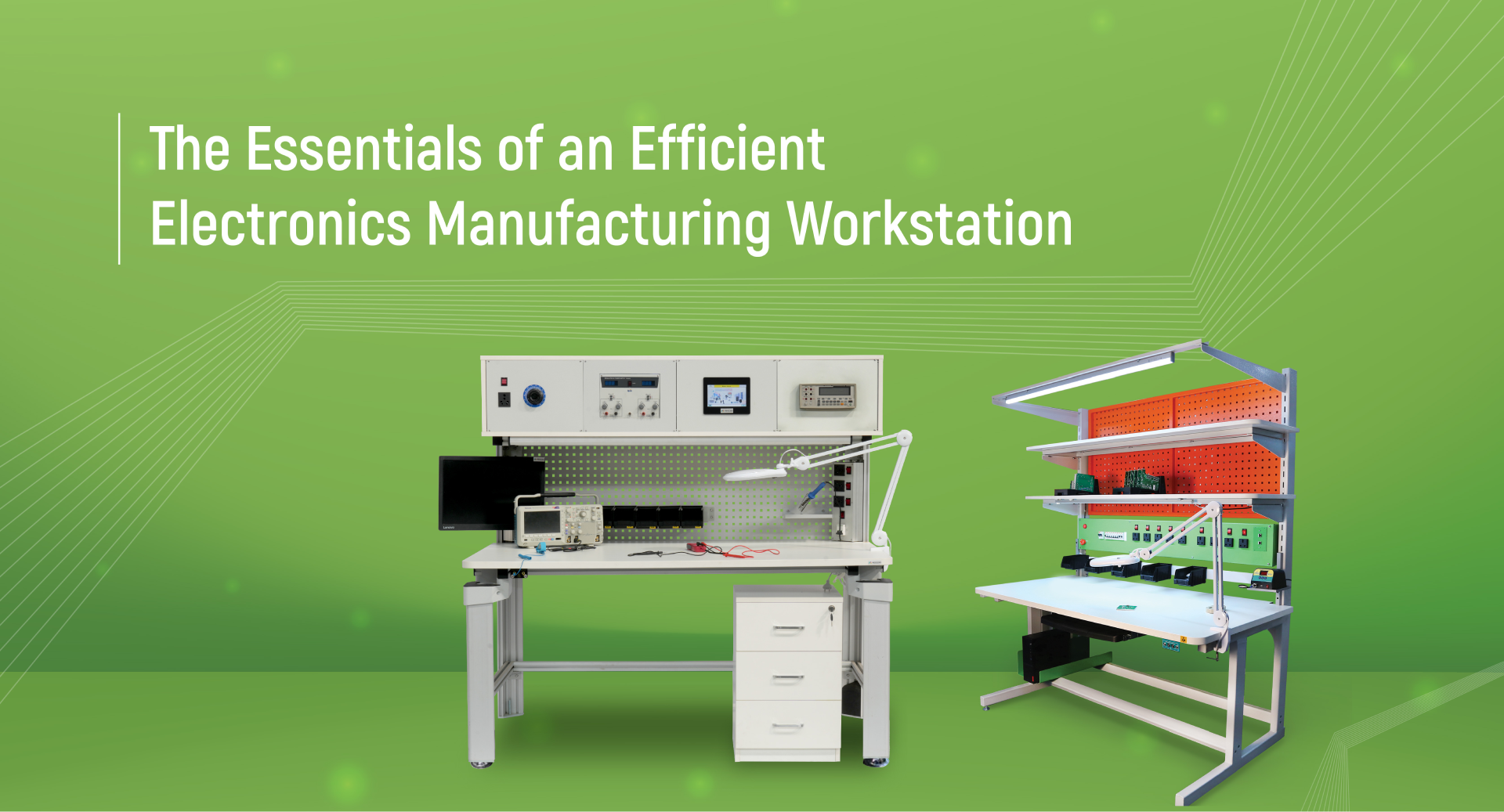
An ESD workstation is a specifically engineered workspace designed to prevent static discharge from damaging electronic components. These workstations are typically used in environments like PCB assembly units, component testing zones, inspection bays, and repair benches.
Unlike regular benches, an ESD-safe workstation incorporates conductive or dissipative materials, grounding mechanisms, and anti-static accessories. Every element, from the table to the seating and wrist straps, works together to ensure electrostatic charges are neutralised safely.
In any electronics manufacturing workstation, a single static discharge, invisible to the naked eye, can damage expensive ICs, sensors, or memory chips. What’s worse is that the damage might not show up immediately but cause a failure weeks after a product reaches the customer.
Research shows that even a 100V discharge, which a human can’t feel, can destroy a CMOS chip. For manufacturers, that means expensive rework, recalls, and loss of brand trust. A proper ESD workstation is essential for quality assurance, compliance, and long-term reliability.

The ESD workbench is the core of your setup. Look for benches with a conductive or static-dissipative surface. Ensure it includes grounding points and supports your workflow in terms of size and load-bearing capacity.
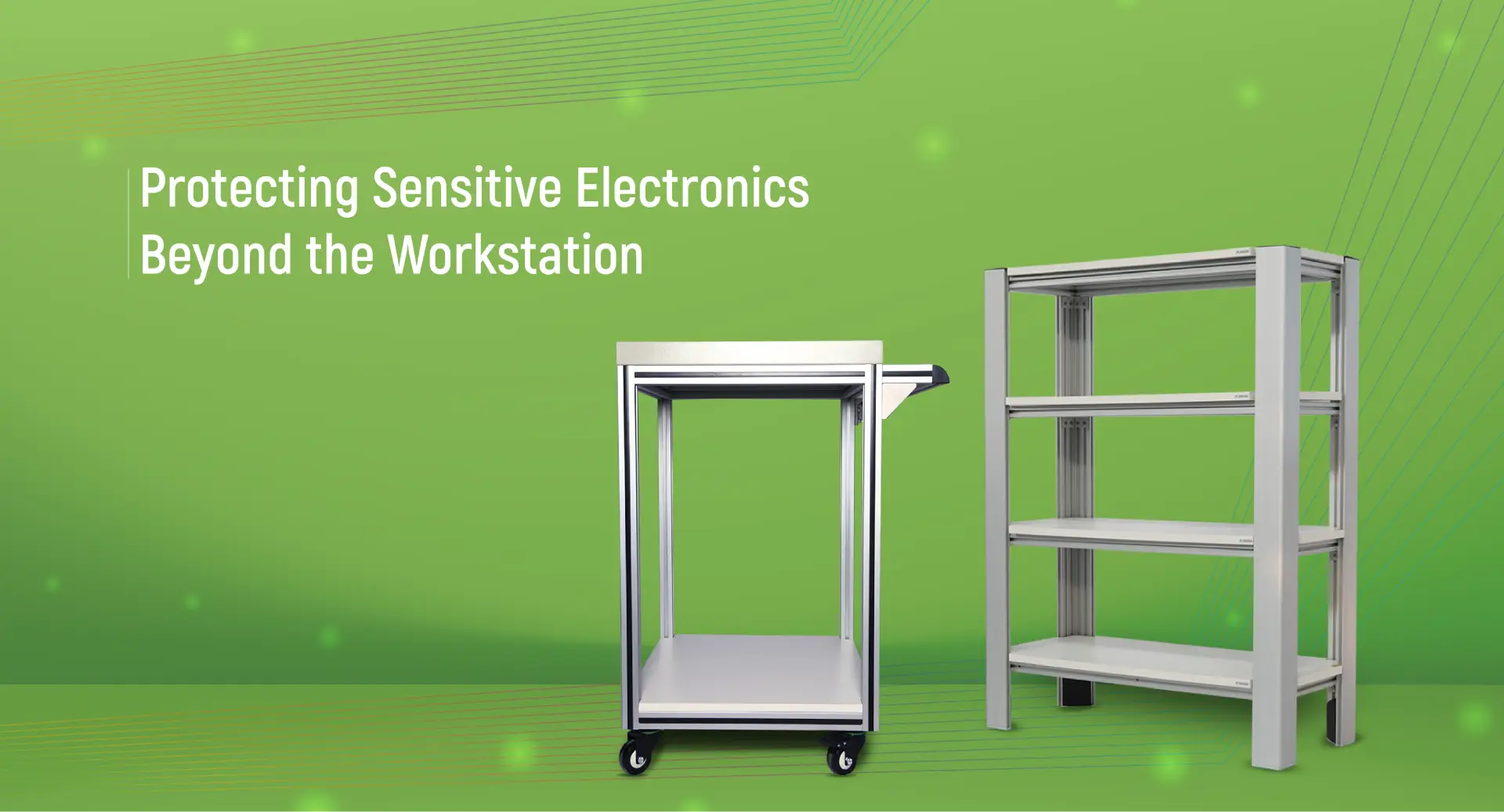
Every structural component, from the frame to storage drawers and shelving, should be made with ESD-safe materials. Avoid wooden or plastic elements unless they’re specifically treated. A well-built industrial workbench provides both mechanical strength and static protection.
No anti-static workstation is complete without grounding. This includes wrist straps for personnel, ESD floor mats, grounding cords, and a common ground point. All tools and surfaces must be bonded to this common ground to discharge static safely.
A modular ESD workstation gives your team the flexibility to reconfigure the layout as production needs evolve. With electronics manufacturing, change is constant, with new products, new processes, and varying equipment footprints.
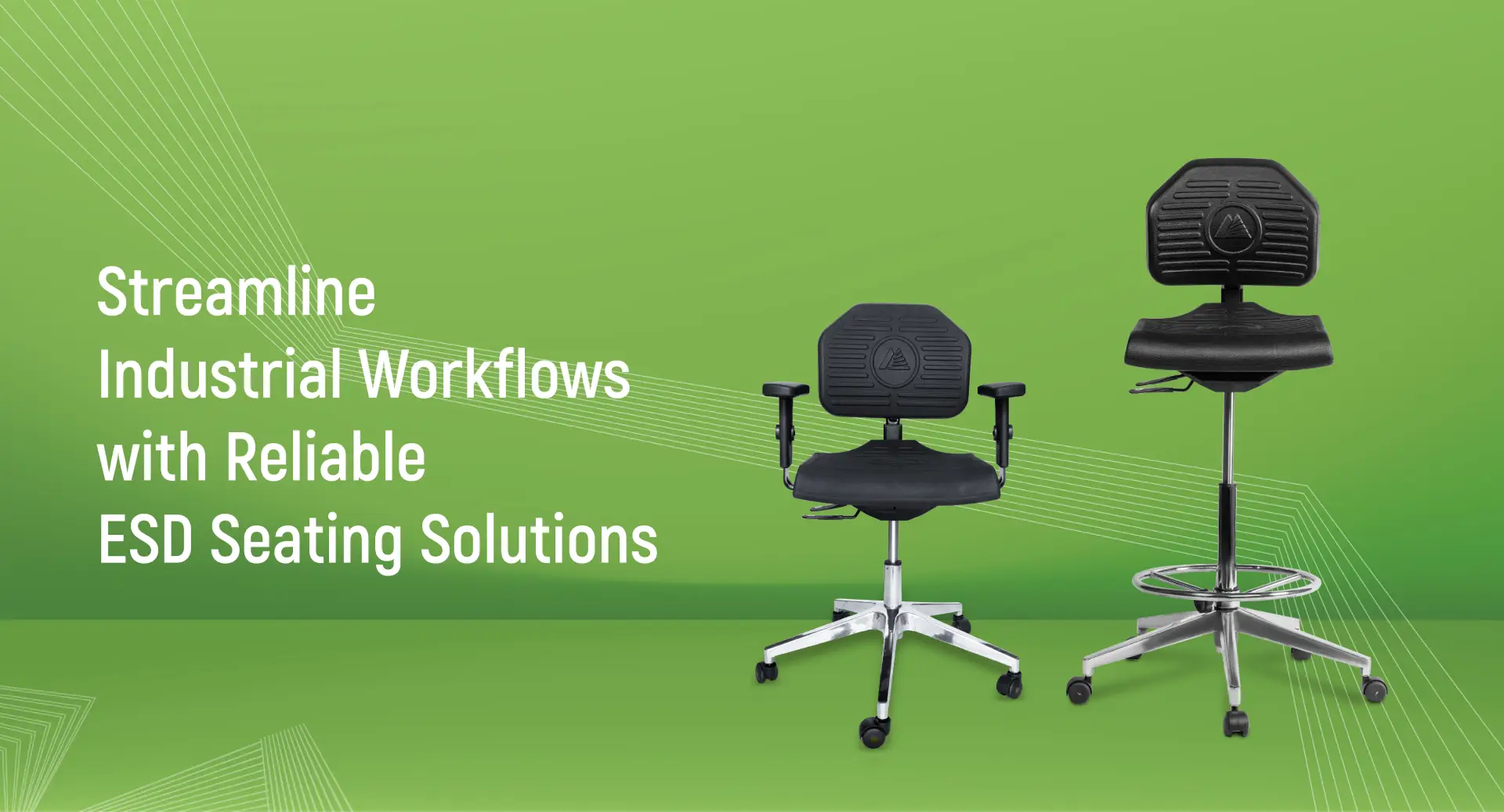
An industrial workstation should prioritise comfort. Adjustable height, proper reach zones, and ESD-safe seating like chairs or stools can reduce fatigue and improve operator focus. That directly affects quality output.
Choosing an ESD workstation manufacturer is as important as choosing the right equipment. Look for someone who:
For Indian manufacturers, selecting a reliable ESD workstation supplier in India is crucial to ensure that products meet both performance and compliance benchmarks.
Setting up an ESD workstation for electronics manufacturing is about getting the system right, not just buying a table. When done correctly, you protect your components, your business, and your end customer.
From grounding to comfort, layout to modularity, every choice adds up. And with evolving production needs, it pays to choose a partner who can build future-ready systems.